Tales Of Moroccan Amazons
Morocco · 2014-2015
Project supported by AFAC, The Magnum Foundation and the Prince Claus Fund.
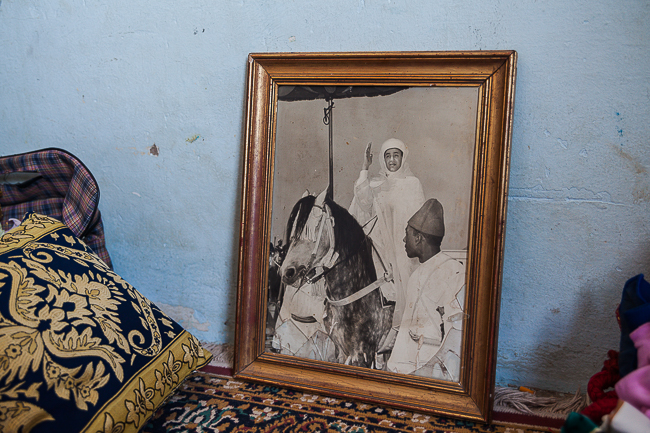
« The horse is part of our family, our culture, and our civilization. » His Majesty King Hassan II
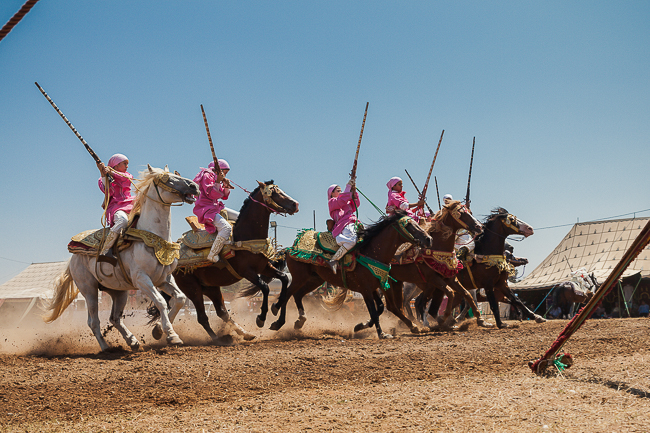
Tales of Moroccan Amazons is a long-term photographic project begun in 2014,
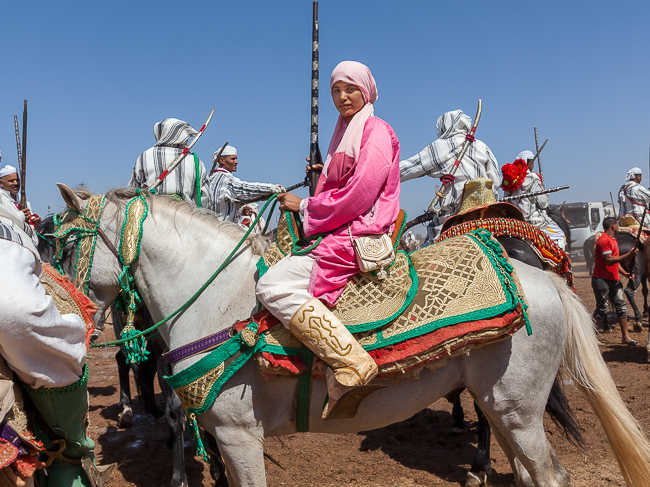
following one of Morocco’s pioneering female Tbourida troupes.
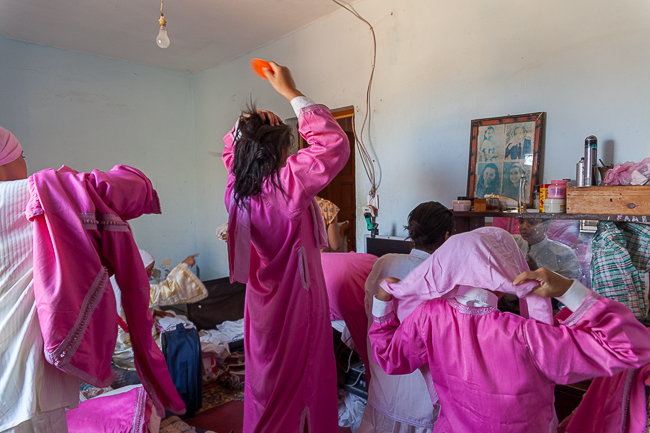
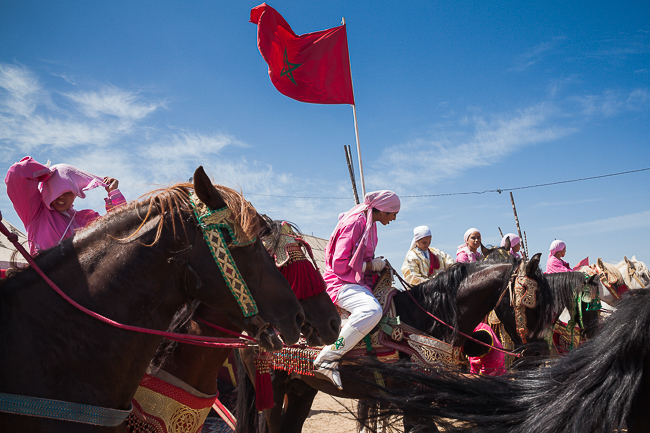
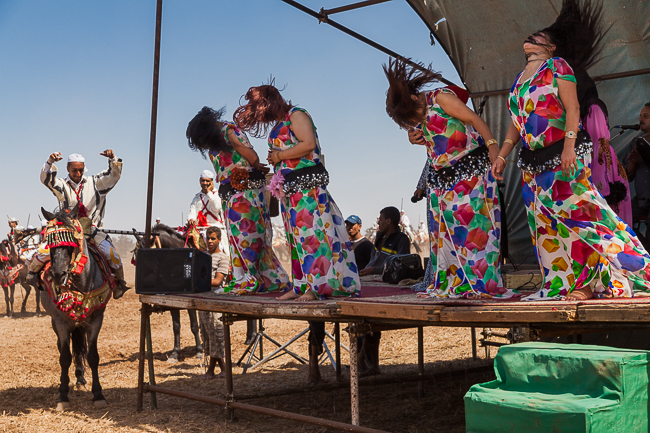
Between dust, prayer, horses, gunpowder and ritual, the series moves from the intimacy
of preparation to the intensity of the arena. It portrays women whose relationship
to Tbourida is shaped by passion, discipline, family transmission
and the bonds they build with one another and with their horses.
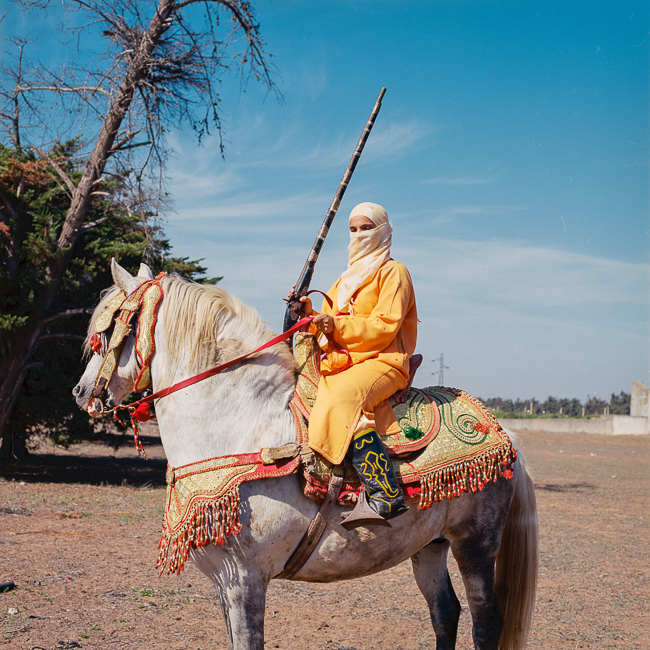
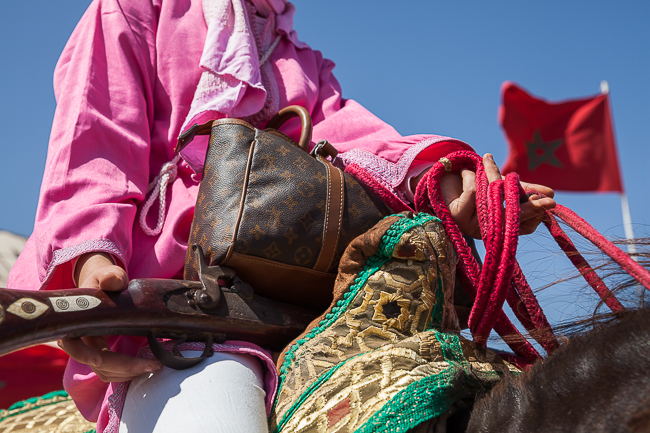
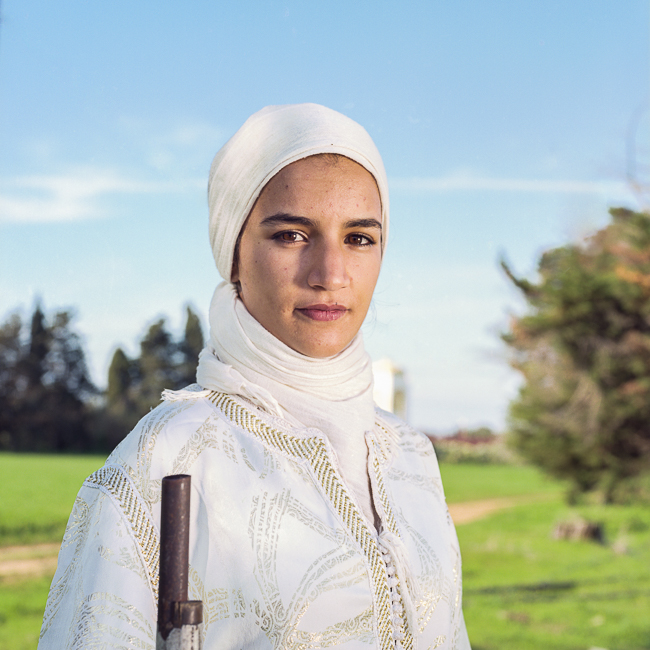
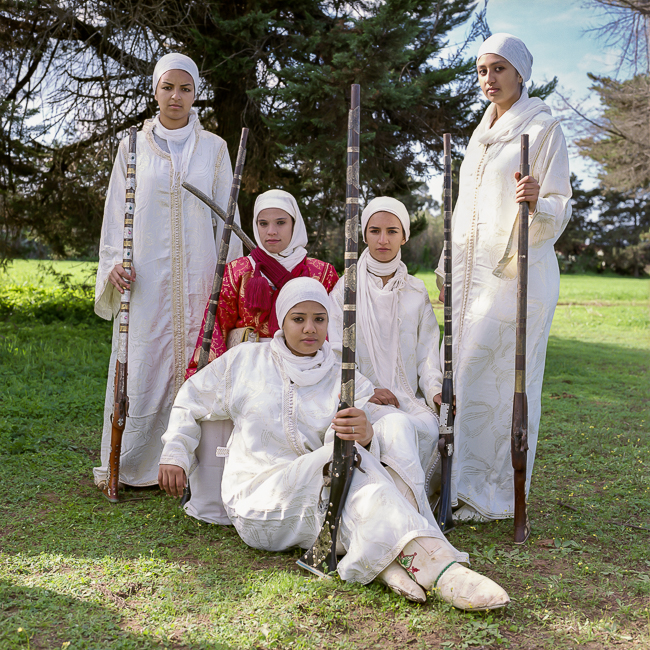
Combining documentary photography with medium-format Hasselblad portraits,
the project explores the space between spectacle and private experience,
tradition and change, strength and vulnerability.
These women do not simply enter an equestrian tradition.
They live it, preserve it and transform it from within.
Traditionally associated with men,
Tbourida draws on Morocco’s equestrian and martial heritage.
These riders challenge an inherited division without rejecting the tradition itself.
Their presence reshapes who may embody courage, authority and collective memory.
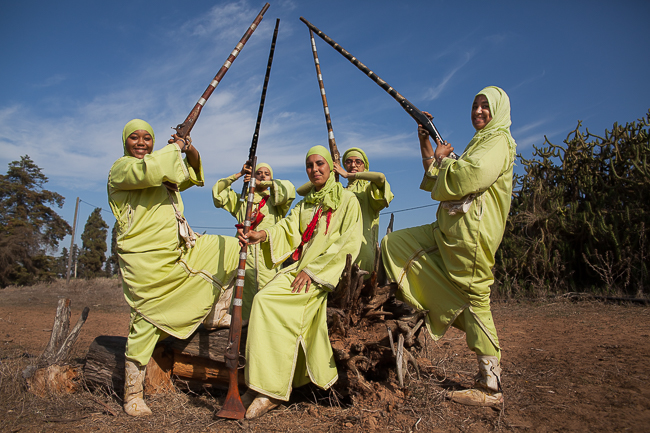
Beyond the public spectacle, the photographs reveal a more intimate world.
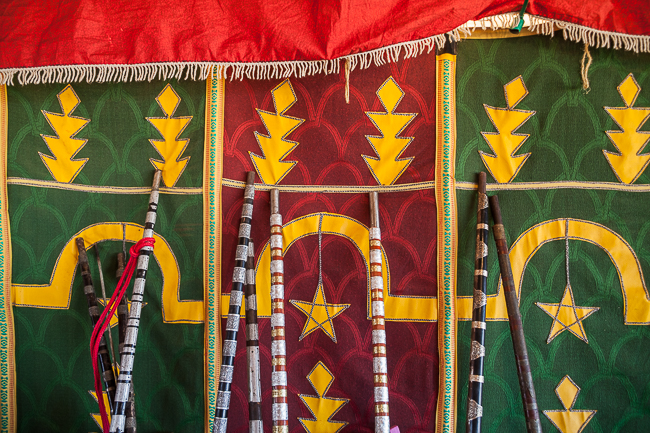
Gestures, clothing and moments of preparation show the discipline behind each appearance in the arena.
They also evoke friendship, trust and the quiet determination required to claim a place.
The riders are not presented as exceptions within Moroccan culture.
They are active participants in a living tradition that continues to evolve.
Their experience raises broader questions about visibility, belonging and transmission.
It shows how women can inhabit inherited customs while transforming their meaning from within.
Tales of Moroccan Amazons is therefore not only a story about equestrian performance.
It is a story about presence, recognition and the possibility of carrying a cultural legacy forward
without leaving women outside its history.